
 Countries
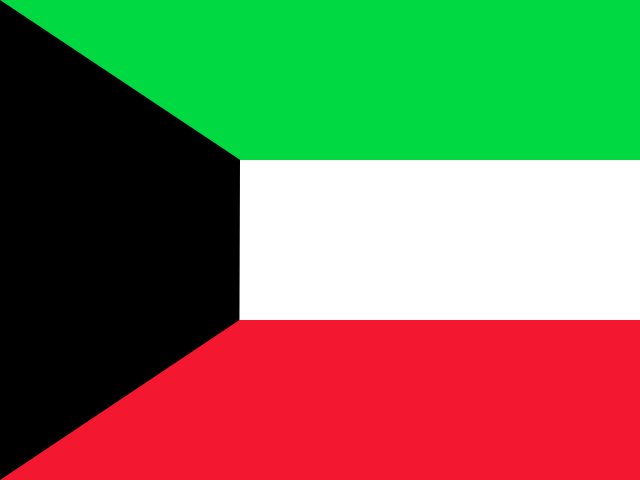
Key facts
- Capital
- Kuwait City
- Region
- Asia, Western Asia
- Population
- 4,865,298 (2025)
- Area
- 17,820 km²
- Currency
- Kuwaiti dinar (KWD)
- Languages
- Arabic, English
- Calling code
- +965
- Internet domain
- .kw
- ISO codes
- KW, KWT, 414
- Time zone
- UTC+3:00
- United Nations
- Member state
- Postal code pattern
- ##### (# = digit, @ = letter)
Land and position
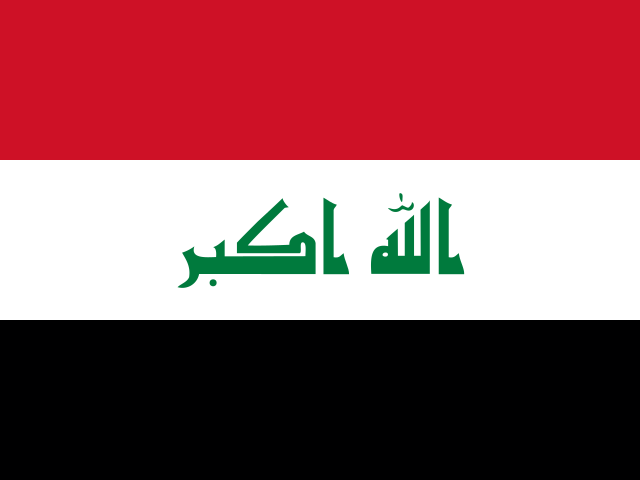
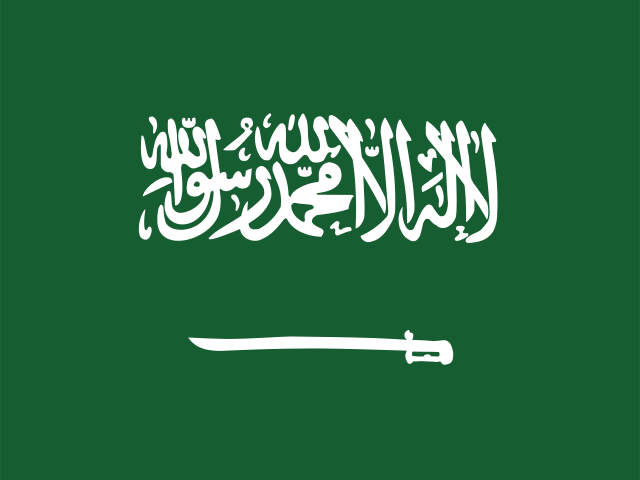
Kuwait covers about 17,820 square kilometres. By area it ranks 159th among the 250 countries and territories on this site. It is a little smaller than Fiji and a little larger than Eswatini. It shares a land border with 2 neighbours: Iraq, Saudi Arabia. Its centre lies at about 30° north, 46° east, in the northern hemisphere.
Neighbours
People
About 4.87 million people live in Kuwait (World Bank, 2025). That makes it the 128th most populous of the 246 places on this site with a figure. On average there are 273 people to each square kilometre. About 100 percent of people live in towns and cities (World Bank, 2025). A baby born there can expect to live about 85 years (World Bank, 2024). Languages listed for it: Arabic, English. A person from Kuwait is called Kuwaiti.
Money and economy
The currency is the Kuwaiti dinar (code KWD, symbol د.ك). The World Bank puts the size of its economy (GDP) at about US$ 157 billion (2025), which is about US$ 32,312 for each person (2025).
Time
Kuwait uses one time zone, UTC+3:00 (Asia/Kuwait). Clocks stay the same all year: there is no daylight saving time.
Time now: loading
Offsets are for January 2026. See Time Zones for a converter.
Largest cities
| City | People |
|---|---|
| Al Aḩmadī | 637,411 |
| Ḩawallī | 164,212 |
| Şabāḩ as Sālim | 139,163 |
| Al Farwānīyah | 86,525 |
| Al Faḩāḩīl | 68,290 |
| Kuwait City | 60,064 |
City figures are from GeoNames and count the city itself, not the wider urban area. They can be some years old, so use them to see the order of size.
More in Western Asia
Armenia, Azerbaijan, Bahrain, Georgia, Israel, Jordan, Lebanon, Oman. See the whole region.
Figures were collected on 11 November 2026 from the World Bank, GeoNames and the open countries data set. See About and data sources. Borders and names follow those sources and do not express any view on disputed territory.