
 Countries
There are 45 landlocked countries and territories in this data. The largest is Kazakhstan, at about 2,717,300 square kilometres. Africa has the most.
Africa (16)
Americas (2)
| Country | Capital | Neighbours |
|---|---|---|
 Bolivia | Sucre | Argentina, Brazil, Chile, Peru, Paraguay |
 Paraguay | Asunción | Argentina, Bolivia, Brazil |
Asia (12)
| Country | Capital | Neighbours |
|---|---|---|
 Afghanistan | Kabul | China, Iran, Pakistan, Tajikistan, Turkmenistan, Uzbekistan |
 Armenia | Yerevan | Azerbaijan, Georgia, Iran, Türkiye |
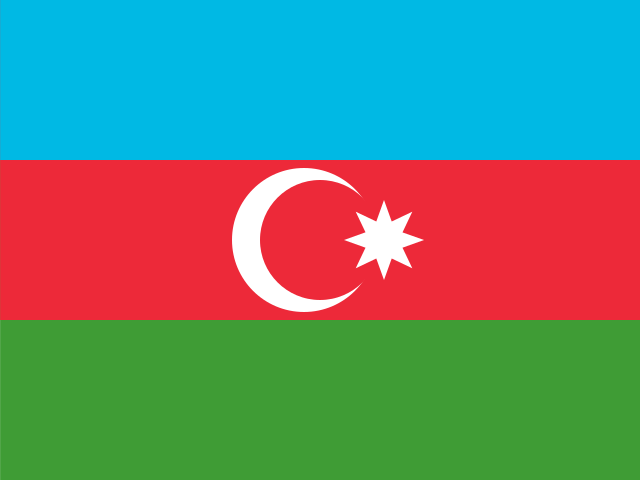 Azerbaijan | Baku | Armenia, Georgia, Iran, Russia, Türkiye |
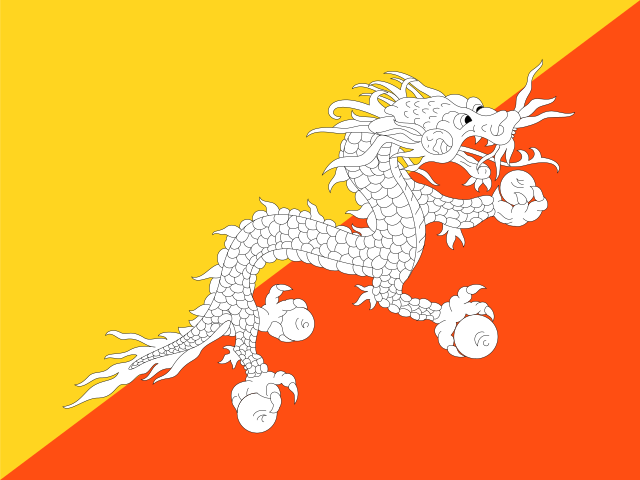 Bhutan | Thimphu | China, India |
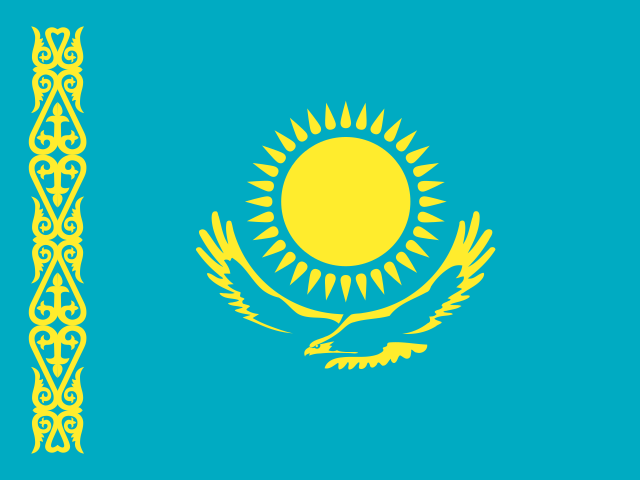 Kazakhstan | Astana | China, Kyrgyzstan, Russia, Turkmenistan, Uzbekistan |
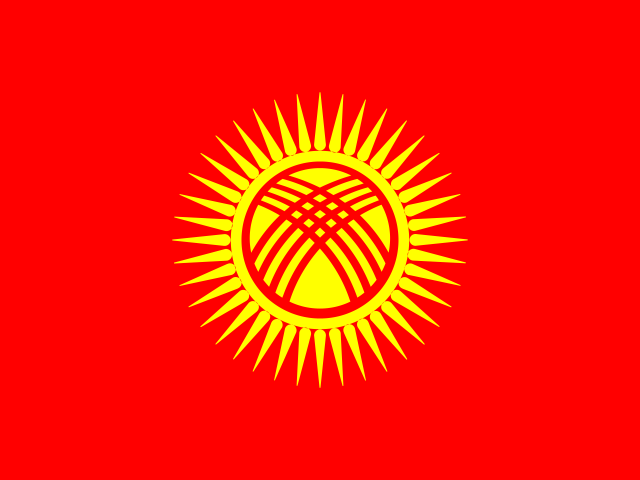 Kyrgyzstan | Bishkek | China, Kazakhstan, Tajikistan, Uzbekistan |
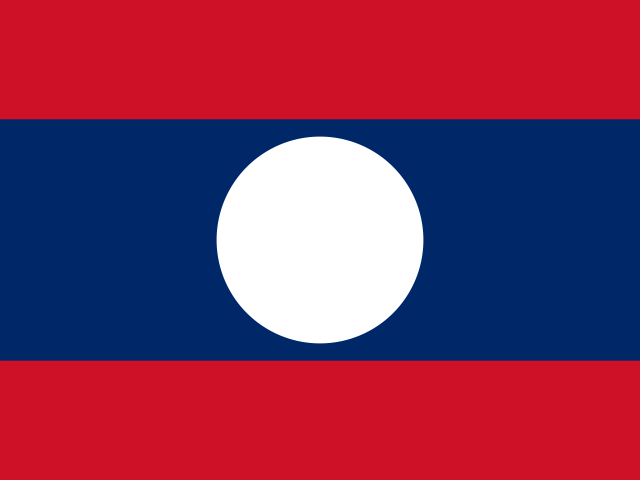 Laos | Vientiane | China, Cambodia, Myanmar, Thailand, Vietnam |
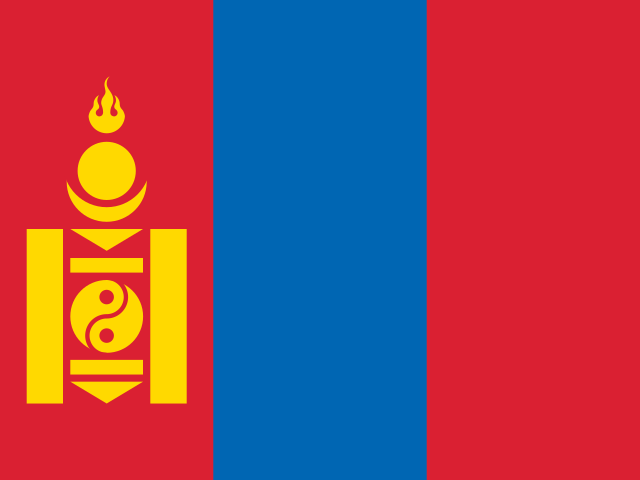 Mongolia | Ulan Bator | China, Russia |
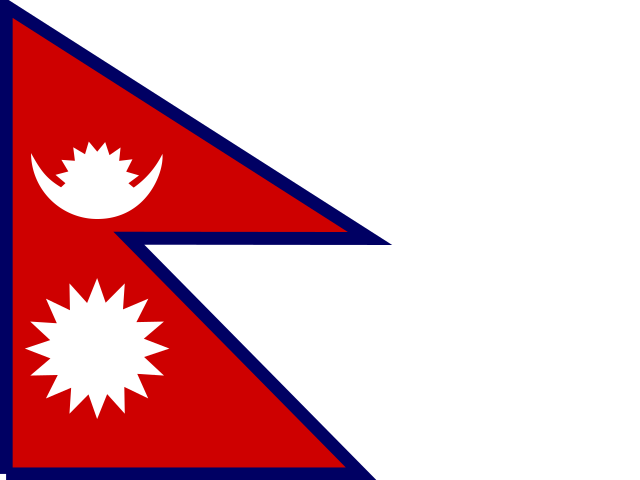 Nepal | Kathmandu | China, India |
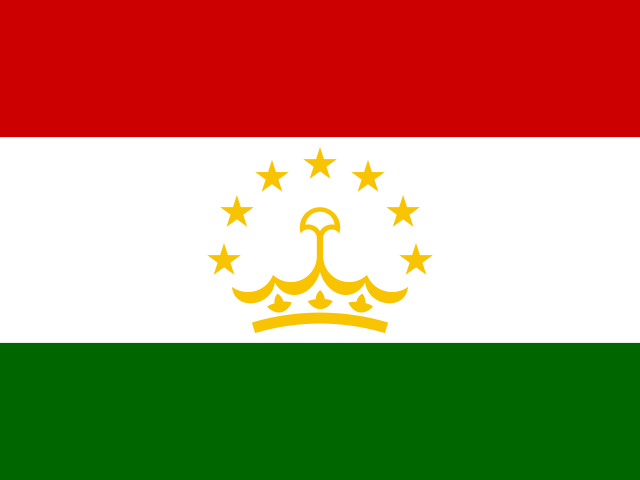 Tajikistan | Dushanbe | Afghanistan, China, Kyrgyzstan, Uzbekistan |
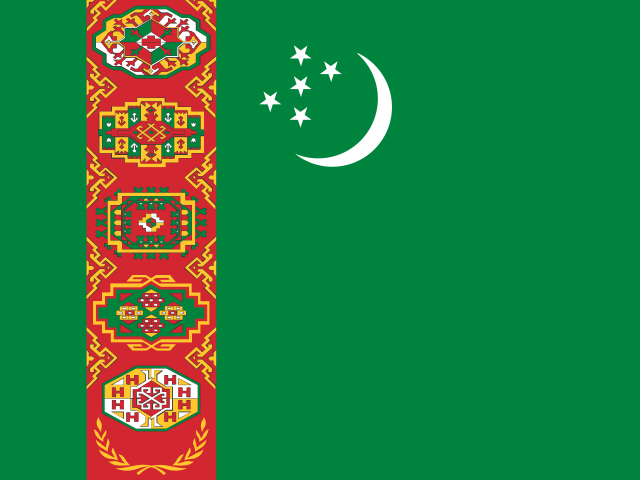 Turkmenistan | Ashgabat | Afghanistan, Iran, Kazakhstan, Uzbekistan |
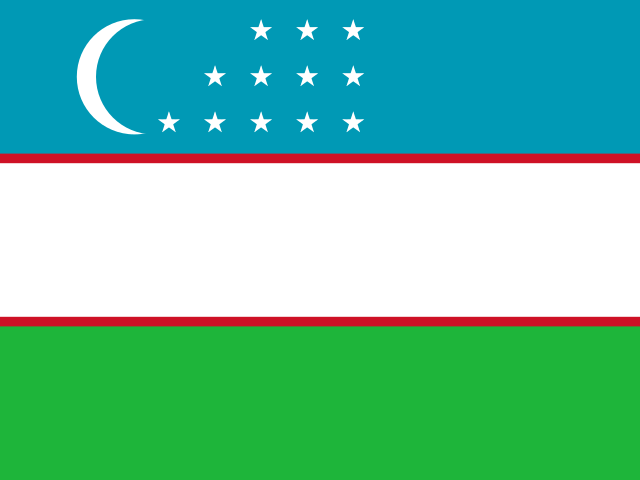 Uzbekistan | Tashkent | Afghanistan, Kyrgyzstan, Kazakhstan, Tajikistan, Turkmenistan |
Europe (15)
| Country | Capital | Neighbours |
|---|---|---|
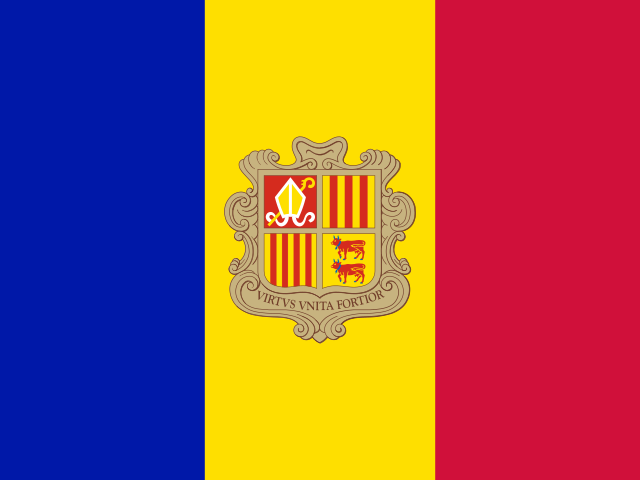 Andorra | Andorra la Vella | Spain, France |
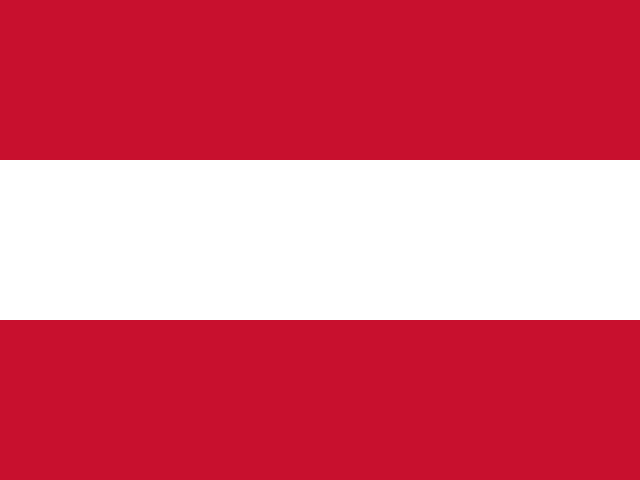 Austria | Vienna | Switzerland, Czechia, Germany, Hungary, Italy, Liechtenstein, Slovenia, Slovakia |
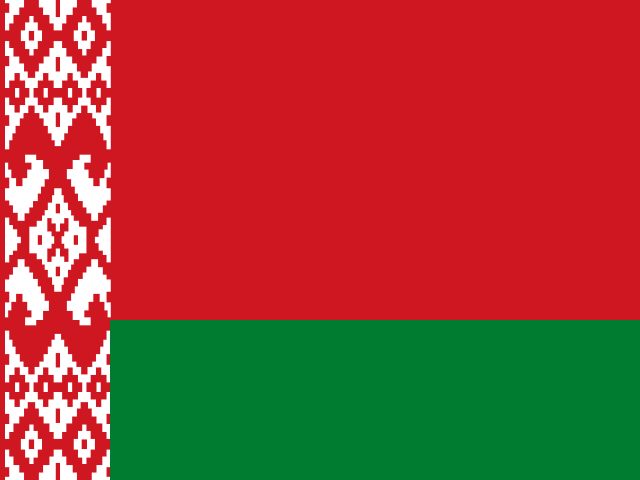 Belarus | Minsk | Lithuania, Latvia, Poland, Russia, Ukraine |
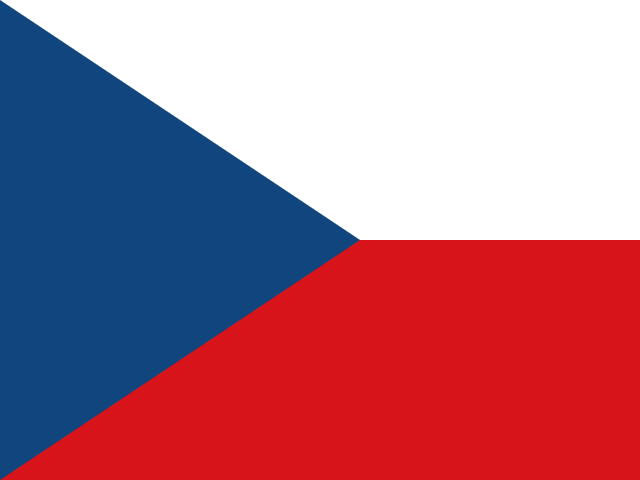 Czechia | Prague | Austria, Germany, Poland, Slovakia |
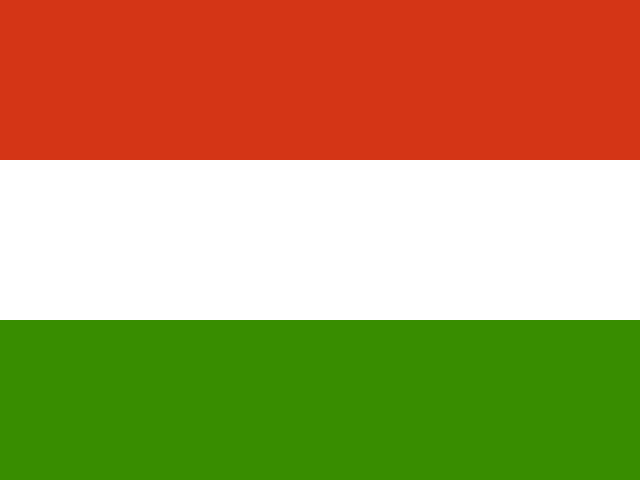 Hungary | Budapest | Austria, Croatia, Romania, Serbia, Slovenia, Slovakia, Ukraine |
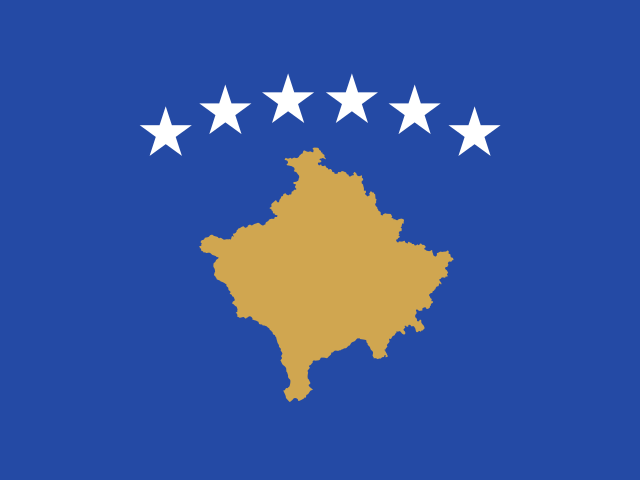 Kosovo | Pristina | Albania, Montenegro, North Macedonia, Serbia |
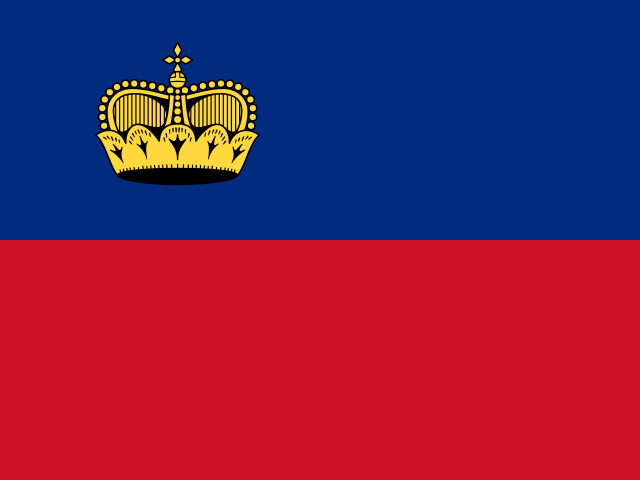 Liechtenstein | Vaduz | Austria, Switzerland |
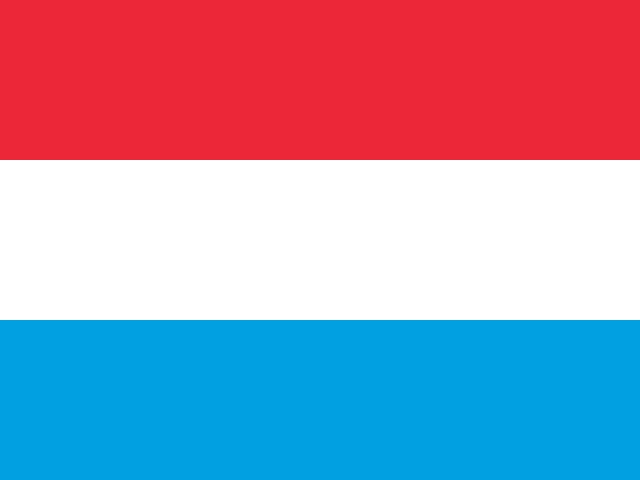 Luxembourg | Luxembourg | Belgium, Germany, France |
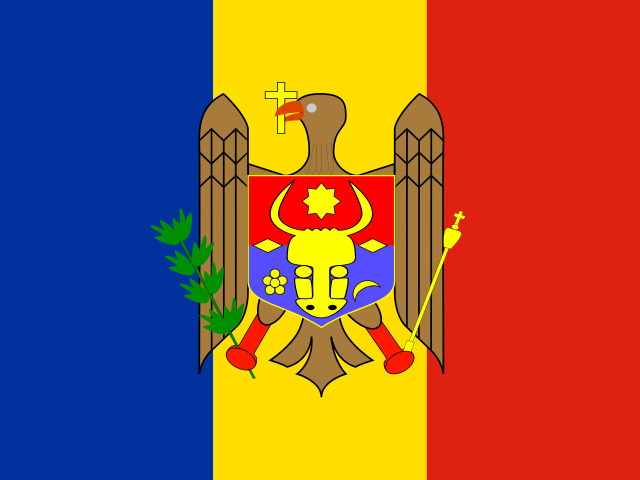 Moldova | Chișinău | Romania, Ukraine |
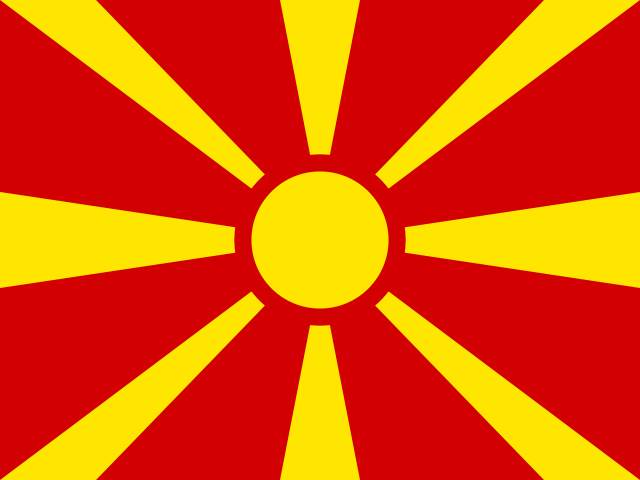 North Macedonia | Skopje | Albania, Bulgaria, Greece, Serbia, Kosovo |
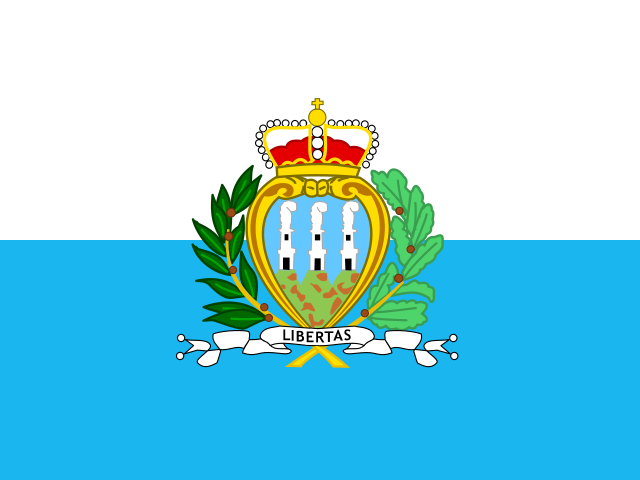 San Marino | City of San Marino | Italy |
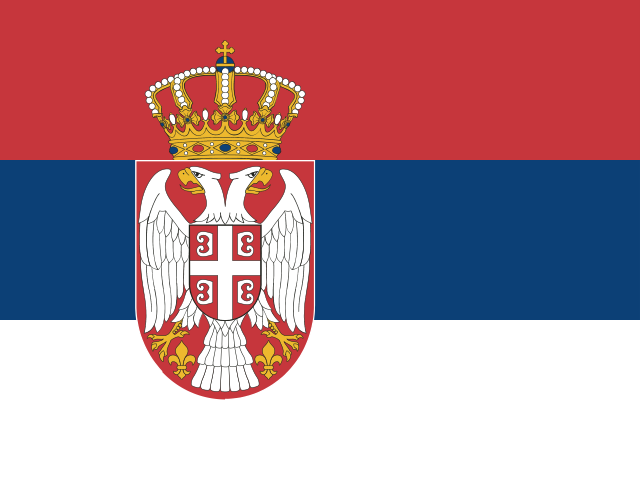 Serbia | Belgrade | Bosnia and Herzegovina, Bulgaria, Croatia, Hungary, Montenegro, North Macedonia, Romania, Kosovo |
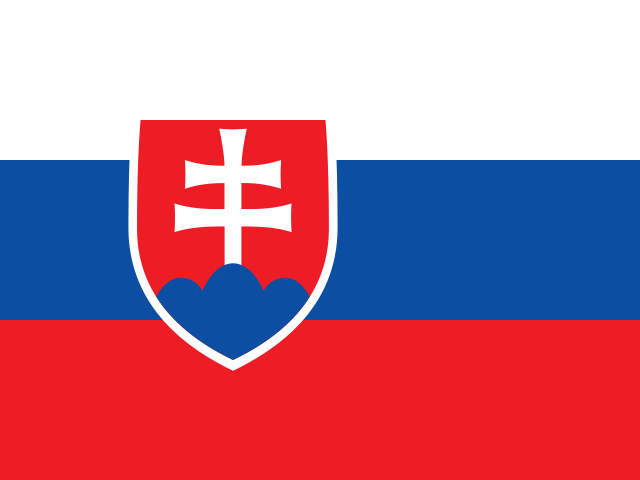 Slovakia | Bratislava | Austria, Czechia, Hungary, Poland, Ukraine |
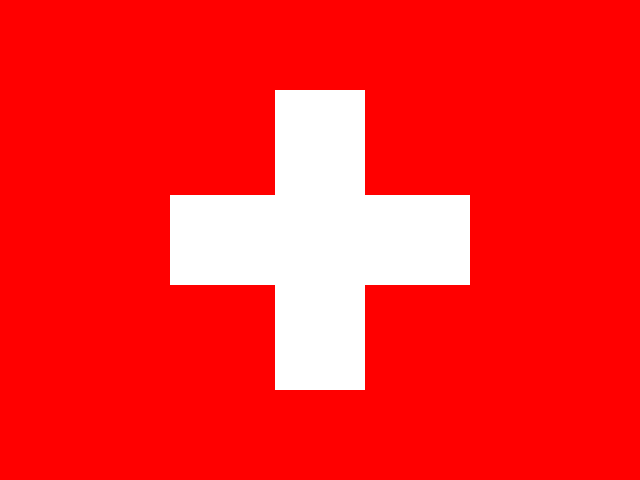 Switzerland | Bern | Austria, Germany, France, Italy, Liechtenstein |
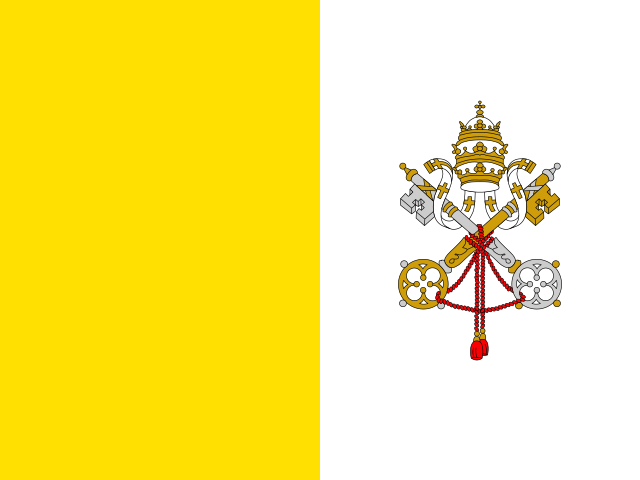 Vatican City | Vatican City | Italy |
Doubly landlocked
A doubly landlocked country is surrounded only by landlocked countries, so reaching the sea means crossing at least two borders. In this data: Liechtenstein and Uzbekistan.
Why it matters
Sea transport is the cheapest way to move goods. A country without a port depends on roads, railways and agreements with its neighbours to trade, which usually makes imports and exports cost more. Some landlocked countries, such as Switzerland and Austria, are rich all the same, helped by rivers, good transport links and trade with close neighbours.
The Caspian Sea is counted as a lake here, so countries that touch only the Caspian, such as Kazakhstan, are landlocked.
The list in numbers
Of the 45 landlocked entries, 43 are member states of the United Nations. By region: Africa 16, Europe 15, Asia 12, Americas 2. Together they hold about 668 million people, about 8 percent of the world's population. The landlocked country with the most people is Ethiopia (about 135 million), and the smallest by area is San Marino (61 km²). Austria has the most neighbours to deal with, 8 of them.
Countries inside another country
3 landlocked entries have only one neighbour, which surrounds them completely: Lesotho (inside South Africa), San Marino (inside Italy), Vatican City (inside Italy). For such a country every road, railway, pipeline and power line to the outside world passes through the one neighbour.
How landlocked countries reach the sea
International law gives landlocked states a right of access to the sea, and in practice this is arranged by agreements with the neighbours that lie in between. Goods travel sealed, by road or rail, to a port in the coastal country and are loaded on to ships there. Nepal and Bhutan, for example, trade through ports in India. Great rivers do the same work where they exist: the Danube and the Rhine carry cargo from the middle of Europe to the sea.